
When we think about a building’s “envelope,” the focus is usually on the visible layers: the aesthetic facade, the sturdy roofing, and the windows. However, there is an invisible battle occurring inside your walls every day—a battle against moisture.
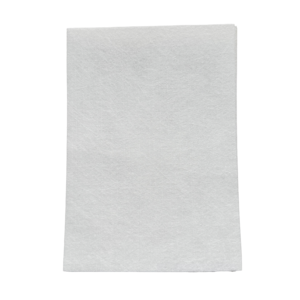
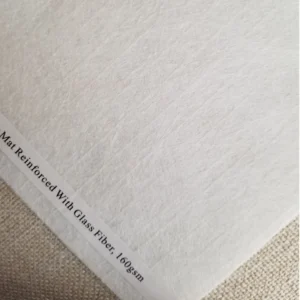
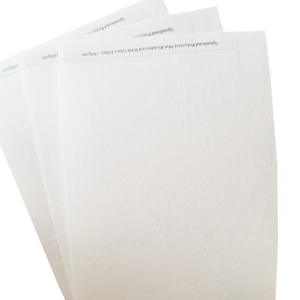
Vapor Barrier Fabrics, specifically those engineered from PP (Polypropylene) and PE (Polyethylene), are the unsung heroes of this struggle. While they may seem like simple plastic sheets, their role in preventing internal condensation and mold growth is vital to the structural health and air quality of any modern building.
1. The Science of Internal Condensation
To understand the need for a vapor barrier, we must understand the “Dew Point.” Warm air has a higher capacity to hold moisture than cold air. In a heated building during winter, warm, moist air naturally tries to escape toward the colder outside environment.
As this air travels through the wall assembly and hits the insulation, it gradually cools. If it reaches a surface cold enough to hit its dew point, the invisible gas (vapor) turns into liquid water. This is internal condensation—and because it happens inside the wall, it often goes unnoticed until the damage is severe.
2. PP/PE Fabrics: The Ultimate Moisture Block
Why are Polypropylene (PP) and Polyethylene (PE) the industry standards for this task?
- Low Permeability: These materials have extremely low water vapor transmission rates. They act as a physical wall that blocks moisture molecules from migrating into the wall cavity.
- Durability and Strength: Unlike simple plastic films, PP/PE fabrics are often woven or reinforced, providing the tear resistance needed to survive the rigors of a construction site.
- Chemical Resistance: They are naturally resistant to the alkaline environment of concrete and the acidic nature of some insulation materials, ensuring they don’t degrade over decades.
3. The Invisible Threat: Mold and Structural Decay
The presence of moisture inside a building envelope is the primary catalyst for two major failures:
- Mold Growth: Mold spores need only three things to thrive: a food source (like drywall or timber), a specific temperature range, and moisture. By stopping internal condensation, PP/PE vapor barriers eliminate the moisture required for mold colonies to form, protecting the health of the building’s occupants.
- Structural Rot: For timber-framed buildings, moisture leads to rot. For steel frames, it leads to corrosion. For insulation, moisture causes “clumping,” which drastically reduces its R-value (insulating power). A compromised vapor barrier can lead to a 50% loss in insulation efficiency within just a few years.
4. Proper Placement: The Golden Rule
A vapor barrier is only as good as its installation. The general rule of thumb is to install the vapor barrier on the “warm-in-winter” side of the insulation.
In cold climates, this means the interior side of the wall. In hot, humid climates, it means the exterior. If placed on the wrong side, the barrier can actually trap moisture inside the wall, accelerating the very damage it was meant to prevent. This is why choosing a high-quality, clearly marked fabric is essential for contractors.
Conclusion: Investing in Longevity
Vapor barrier fabrics may be a small percentage of a total construction budget, but they are a massive factor in the building’s total life-cycle cost. A well-designed building envelope with a high-performance PP/PE barrier ensures that the structure remains dry, the air remains healthy, and the insulation remains efficient.
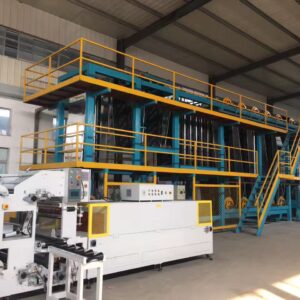
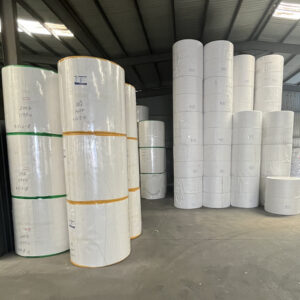
At Guanlong (GL) Waterproof, we manufacture high-strength PP/PE Vapor Barrier Fabrics and plastic membranes designed for the most demanding environments. Don’t let your building’s most important layer be an afterthought—build for the future by protecting your walls today.
📞 Phone/WhatsApp: +86 18263668883
🌐 Website: glwaterproof.com/product/
📧 Email: guanlinguoji@126.com