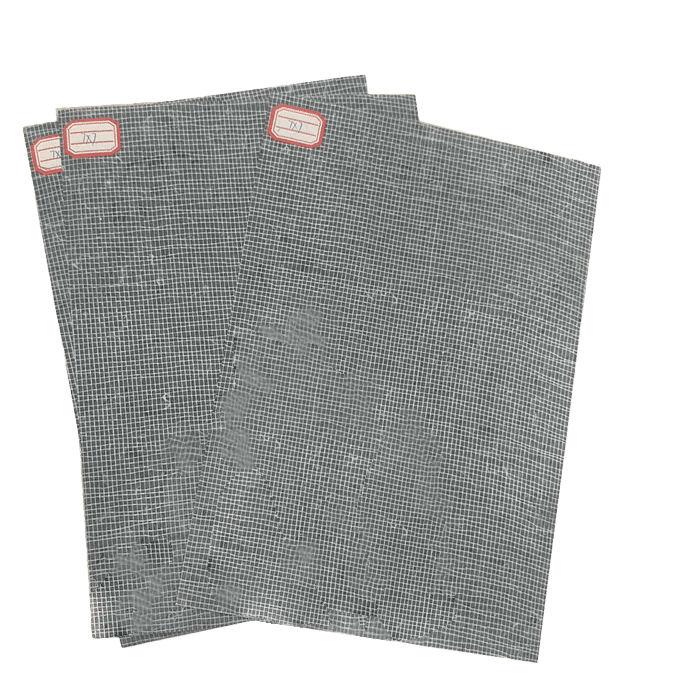
Choosing the right materials is half the battle in effective waterproofing. Compound asphalt felt base mats are increasingly used as a high-performance base sheet in both new builds and retrofits. Here’s a practical guide on how to choose, apply, and maintain this essential waterproofing layer.
1. Choosing the Right Type
Not all base mats are created equal. When selecting one, consider:
-
Reinforcement Type: Polyester mats are more flexible; fiberglass offers better dimensional stability.
-
Thickness and Weight: Thicker mats typically provide better durability and puncture resistance.
-
Coating Compound: Look for SBS or APP-modified asphalt for enhanced performance in hot or cold climates.
2. Application Techniques
Compound asphalt felt base mats can be applied via:
-
Torch-On Method: Common in roofing; requires skilled labor and safety measures.
-
Self-Adhesive Systems: Ideal for enclosed or sensitive areas where open flame is not permitted.
-
Hot-Mopped or Cold-Applied Adhesives: Suitable for large horizontal surfaces like foundations or decks.
Best Practices:
-
Ensure substrate is clean and dry before installation
-
Overlap seams appropriately (usually 75–100 mm)
-
Use proper primers and edge sealants for long-term performance
-
Always follow manufacturer’s guidelines
3. Maintenance and Inspection
-
Inspect for blisters, punctures, or seam separations at least annually
-
Repair any damage with compatible patching materials
-
Maintain proper drainage to reduce hydrostatic pressure and ponding
4. Common Mistakes to Avoid
-
Skipping surface prep
-
Installing during wet or freezing conditions
-
Not allowing for thermal expansion
Conclusion
Compound asphalt felt base mats offer reliable and long-lasting waterproofing when installed correctly. By understanding the material’s characteristics and following best practices, you can significantly extend the life of your waterproofing system.