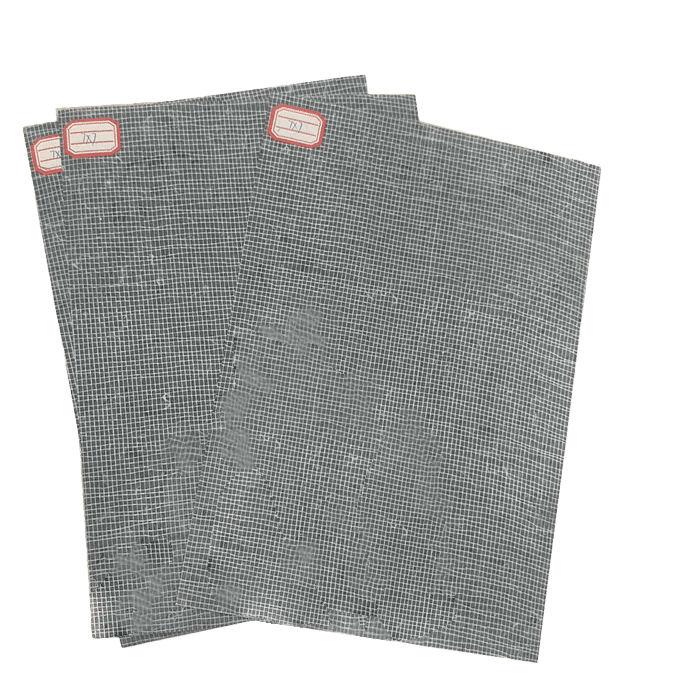
Self-adhesive waterproofing membranes have become increasingly popular due to their easy installation, flame-free application, and environmental friendliness. However, one factor that greatly influences their performance is the choice of base material—specifically, the polyester mat.
Let’s explore the key criteria to consider when selecting polyester reinforcement for self-adhesive waterproof membranes.
1. Understand the Types of Polyester Mats
-
Long Fiber Polyester Mat (LFPM)
-
Advantages: High tensile strength, excellent elongation, superior dimensional stability.
-
Best for: High-performance membranes used in roofing, underground waterproofing, and high-movement areas.
-
-
Short Fiber Nonwoven Felt
-
Advantages: Cost-effective, acceptable mechanical strength for standard applications.
-
Limitations: Lower durability and dimensional stability.
-
Best for: Residential or low-stress waterproofing systems.
-
-
Composite Mats (Glass + Polyester)
-
Advantages: Combines the flexibility of polyester with the dimensional stability of glass fiber.
-
Best for: Demanding applications like bridges or exposed roofing membranes.
-
2. Check Key Performance Indicators
-
Tensile Strength & Elongation
Strong mats reduce the risk of tearing during installation and accommodate building movement over time. -
Dimensional Stability
A stable mat prevents membrane shrinkage, wrinkling, or blistering under thermal stress. -
Adhesion Compatibility
The mat should bond well with self-adhesive materials (SBS, butyl rubber, etc.) to ensure a uniform, durable composite structure. -
Hydrolysis Resistance
For long-term performance, especially in underground or humid environments, the mat must resist degradation from water exposure.
3. Optimize Weight and Thickness
-
Common range: 100–250 g/m²
-
Lower weights: Suitable for low-cost membranes.
-
Higher weights: Provide greater strength, but may reduce flexibility and increase production cost.
-
-
The mat’s thickness must align with the overall design of the membrane to ensure proper balance between flexibility and protection.
4. Ensure Compliance with Technical Standards
Always choose polyester mats that comply with local or international standards such as ASTM, EN, or GB/T, and request a technical data sheet (TDS) or test report for verification.
Conclusion:
The polyester mat acts as the structural backbone of a self-adhesive waterproof membrane. Choosing the right type—based on strength, stability, and compatibility—can dramatically improve the membrane’s performance and service life. Whether for rooftops, basements, or tunnels, making the right material choice at the start ensures long-term success in waterproofing applications.