As we approach 2026, a monumental shift is reshaping the global construction landscape. Recent economic forecasts indicate that infrastructure spending will reach record highs, as rapid urbanization in emerging markets across Southeast Asia, Africa, and Latin America drives this growth.
However, the buildings of tomorrow are not just about height and aesthetics—they are about resilience. As cities become denser and more complex, the demand for high-performance waterproofing materials and advanced production equipment is reaching an all-time high.
1. The Urbanization Engine: Underground and Overhead
By 2030, it is estimated that 60% of the world’s population will live in urban areas. This massive migration requires a “vertical and deep” approach to construction:
- Underground Infrastructure: To solve traffic congestion, emerging megacities are investing heavily in subways, tunnels, and deep-basement parking structures. These environments face immense hydrostatic pressure, requiring high-tensile HDPE and modified bitumen membranes that only advanced production lines can produce.
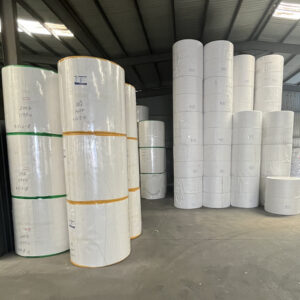
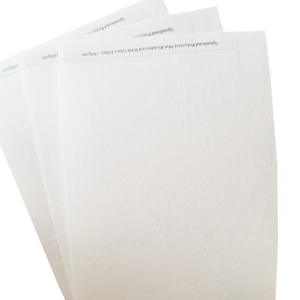
- High-Rise Stability: In high-density urban centers, the “Building Envelope” must withstand extreme wind-driven rain and structural movement. This is driving a shift from traditional felt to high-performance long-fiber polyester mats as the preferred carrier.
2. From “Basic” to “High-Performance”: The Quality Pivot
In the past, many emerging markets relied on low-cost, basic waterproofing solutions. However, the 2026 outlook shows a decisive pivot toward High-Performance Materials (HPM) for several reasons:
- Maintenance Cost Reduction: Governments and private developers are realizing that the cost of repairing a failed waterproofing system in a skyscraper is 10 to 20 times the cost of the initial installation.
- Sustainability Mandates: International green building certifications (like LEED and EDGE) are now common in developing nations. This has created a surge in demand for recyclable TPO and PVC membranes, which offer superior UV reflection and energy efficiency.
3. The Localization of Production Equipment
Perhaps the most significant trend for 2026 is the localization of manufacturing. Rather than importing finished membranes, emerging economies are increasingly investing in their own production infrastructure.
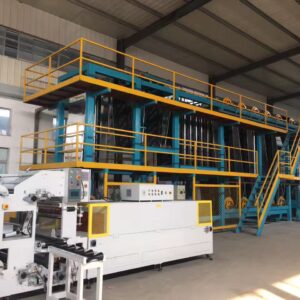
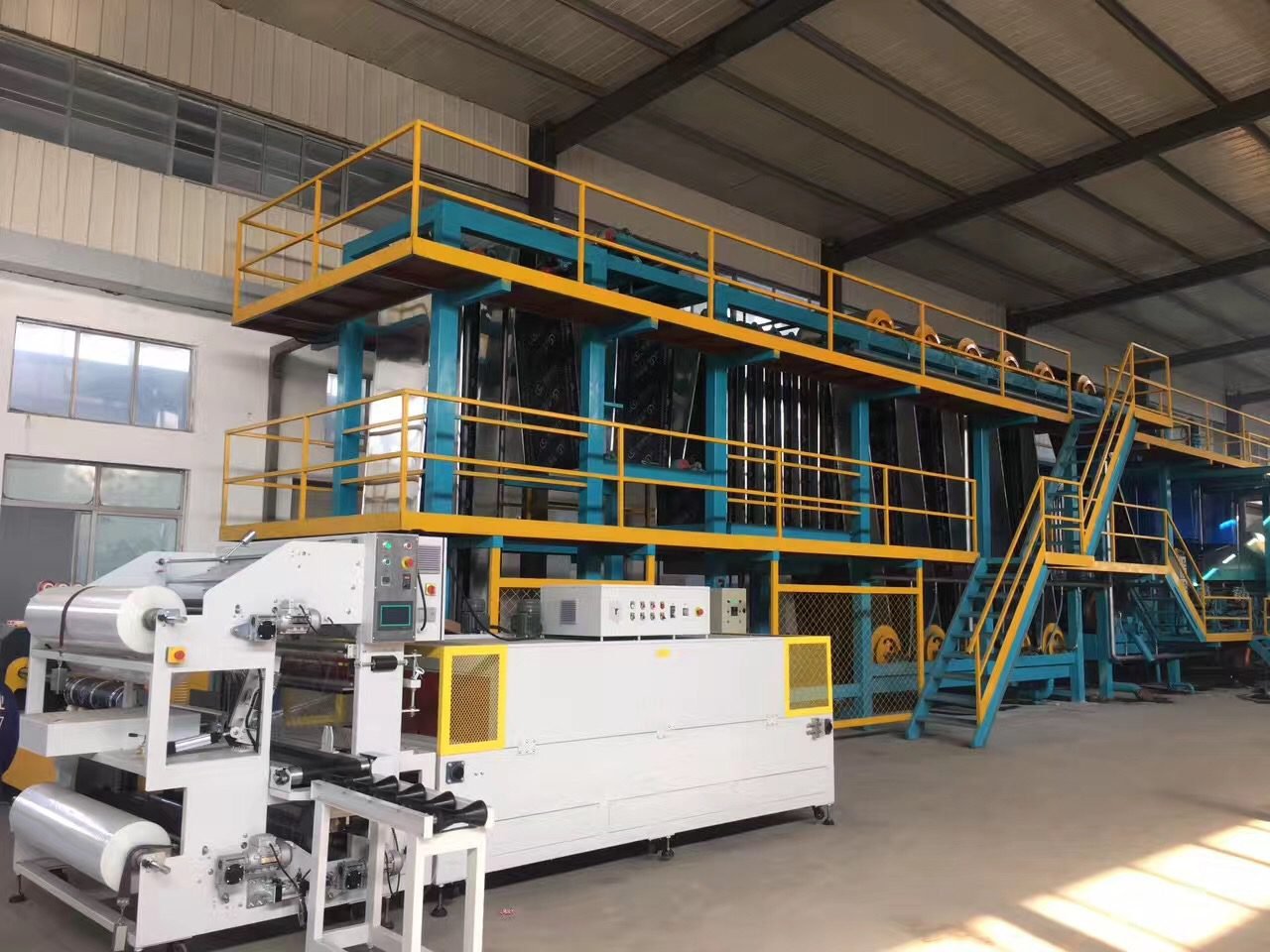
- Self-Sufficiency: Nations are incentivizing local production to reduce import reliance and create jobs. This has led to a global surge in demand for state-of-the-art Modified Bitumen Production Lines and Compound Base Mat Equipment.
- Tailored Specifications: Local production allows manufacturers to create materials specifically engineered for their unique climates—whether it’s the high-heat humidity of Vietnam or the extreme temperature swings of Central Asia.
4. Climate Resilience: Waterproofing as a Defense Strategy
Climate change is no longer a future threat; it is a current reality. Increased rainfall intensity and rising sea levels are forcing a re-evaluation of building codes.
Waterproofing is now seen as a defense strategy. High-performance barriers are being integrated into flood-defense systems, bridge deck protections, and “sponge city” designs. The demand for materials that can survive 50+ years without degradation is no longer a luxury—it is a necessity for national security and economic stability.
Conclusion: Partnering for the Future
The global waterproofing market in 2026 will be defined by three words: Precision, Performance, and Production. Manufacturers who can provide both the high-quality raw materials (like reinforced polyester mats) and the sophisticated machinery to process them will lead the industry.
At Guanlong (GL) Waterproof, we are at the forefront of this global expansion. From providing turnkey production line solutions to supplying the world’s strongest base mats, we help our partners navigate the challenges of emerging infrastructure.
The world is building faster than ever. We ensure it stays dry forever.
📞 Phone/WhatsApp: +86 18263668883
🌐 Website: glwaterproof.com/product/
📧 Email: guanlinguoji@126.com